Biohazard Cleanup
Blood, sewage, sharps and other biohazards removed and disinfected by cleanup crews in protective gear.
Learn more →Texas · Eastland County
Need biohazard cleanup in Eastland, TX? Call (877) 812-4220 any hour and get local biohazard cleaners for crime scene cleanup, unattended death cleanup, trauma scene cleanup, blood and bodily fluid cleanup, hoarding cleanup and sewage cleanup across Eastland County.
If anyone is in danger, call 911 first. For a suicide crisis, call or text 988.
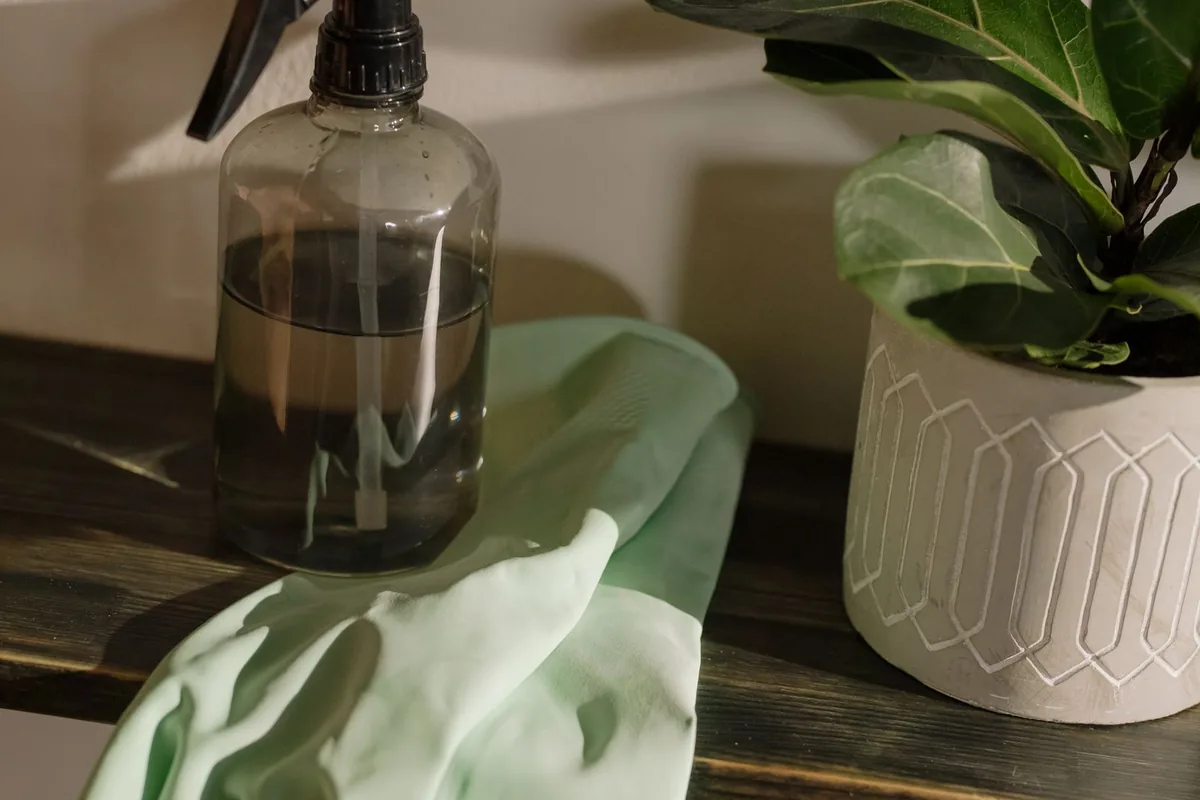
Some messes cannot be handled with a mop and household cleaner. Blood, bodily fluids and decomposition soak into porous materials and can carry disease, which is why Eastland property owners call Eastland Biohazard Cleanup Help for biohazard cleaning.
Calls are answered day and night, and crews arrive in unmarked vehicles so the work stays private. The cleanup team seals off the area, removes what cannot be saved, disinfects what can and carries away the waste. Service covers Eastland and nearby communities such as Ranger and Cisco.
The vacancy rate in Eastland County is 23%, above the Texas average. Empty houses can sit unchecked, so sewage, animal waste, rodents and damage can build up unseen. The average July high in Eastland is 96 degrees. Heat speeds decomposition, so an unattended death can become a larger cleanup in a short time.
The rule on the wall of every serious crew is to treat all blood and bodily fluids as infectious. Under OSHA's Bloodborne Pathogens Standard (29 CFR 1910.1030), cleanup technicians use PPE and strict handling steps so germs stay out of the rest of the home and off the people doing the work.
Products matter because a mild cleaner will not kill bloodborne germs. Biohazard cleaners use EPA-registered, hospital-grade disinfectants, follow the label for contact time and pair them with air treatment for lingering odor.
Every biohazard removal service below is available 24/7 to property owners, landlords and businesses in Eastland and the surrounding areas of Eastland County.
Blood, sewage, sharps and other biohazards removed and disinfected by cleanup crews in protective gear.
Learn more →Discreet forensic cleaning for homes, rentals, businesses and vehicles, with odor removal and waste disposal.
Learn more →Trauma cleaners remove blood, bodily fluids and odor after injuries, violent events and sudden emergencies.
Learn more →Decomposition cleanup that treats the room, the air and the odor at its source.
Learn more →Compassionate cleaning after a loss, with keepsakes set aside and the room returned safe.
Learn more →Compassionate cleanup after a death by violence, so families do not face the aftermath alone.
Learn more →Blood in cars, vans and rideshare vehicles cleaned from seats, mats and panels, then disinfected.
Learn more →Soaked carpet, mattresses and furniture removed, and affected surfaces sanitized after a fluid release.
Learn more →Waste cleanup after neglect, illness or a long absence, handled privately and without judgment.
Learn more →Odor control for landlords, buyers and families whose property still smells after a loss.
Learn more →Room-by-room help for families, landlords and residents dealing with a hoarded home.
Learn more →Trash, donation and recycling hauled out of crowded homes, followed by a thorough clean.
Learn more →Respectful animal hoarder cleanup for owners, landlords and families, done step by step.
Learn more →Filth cleanup for kitchens, bathrooms and living areas, with odor treated at its source.
Learn more →Category 3 cleanup with protective gear, sealed disposal and EPA-registered disinfectants.
Learn more →Biohazard decontamination after outbreaks, with protective gear, set order of work and sealed disposal of waste.
Learn more →Cleaning first, disinfecting second: a careful process that targets the germs, not only the stain.
Learn more →Medical waste left behind after illness, a move or a cleanup, removed with protective gear.
Learn more →Sharps cleanup with protective gear, puncture-resistant containers and proper medical waste disposal.
Learn more →Cleanup after police release: items, residue and soiled materials handled without judgment.
Learn more →Meth house cleaning for owners, landlords and buyers, including vents, walls, floors and soft materials.
Learn more →Fentanyl residue removal with protective gear, soft material removal and proper disposal.
Learn more →Safe removal of solvents, fuels, pesticides, mercury and unlabeled containers from homes and businesses.
Learn more →Cleanup that begins once responders clear the scene, with records for insurers, owners and inspectors.
Learn more →Irritant residue removed from walls, floors, fabrics and vents after tear gas or pepper spray is released.
Learn more →Safe wet-clean removal of mouse and rat droppings, nests and soiled insulation from attics and crawl spaces.
Learn more →Containment, wet removal and disinfection of bat and bird guano in attics, barns and rooftops.
Learn more →Dead animal odor removal that targets the source of the smell, not just the air.
Learn more →Hazmat car cleaning with protective gear, EPA-registered disinfectants and sealed disposal of contaminated parts.
Learn more →Discreet blood cleanup after an accident, so the space can reopen safely.
Learn more →Workplace biohazard cleanup that contains the area, removes contamination and documents the work for insurers.
Learn more →Estate cleanout after a death, handled step by step at the family's pace.
Learn more →The cleanup team measures how far fluids, waste or residue spread and decides which materials can be saved. This sets the timeline and the cost range.
A technician walks the space, notes where fluids reached and lists what can be cleaned and what must be removed. The plan and cost range are explained before work begins.
Soaked materials are removed, then floors, walls, furniture and fixtures are cleaned and treated with hospital-grade disinfectant.
When the job is done, the family receives the paperwork they need for claims and a clear description of what was removed and treated.
Blood, decomposition, sewage, sharps, hoarding, drug residue and infectious disease all fall under one call, with the right method for each.
Death odor and sewage smell are treated with air scrubbers and hydroxyl or ozone equipment, not masked with sprays that fade.
Photos, documents, jewelry and keepsakes are set aside for the family whenever they can be safely saved.
A cleanup specialist explains the steps, the likely cost range and what the property owner needs to do next, in everyday words.
Biohazard cleanup in Eastland, TX typically costs $500 to $25,000, depending on the type of biohazard, the size of the affected area and how far fluids soaked into porous materials.
Most residential jobs cost $3,000 to $5,000 (Fixr). Biohazard cleanup costs depend on the type of biohazard, the size of the affected area and how far fluids soaked into porous materials. Pricing is set after an on-site assessment, and homeowners insurance often covers a large share.
| Type of job | Typical range |
|---|---|
| Blood spill cleanup, small area | $500 - $2,500 |
| Crime scene cleanup, most homes | $1,500 - $7,500 |
| Unattended death cleanup | $2,000 - $7,000 |
| Suicide cleanup | $1,500 - $5,500 |
| Sewage cleanup, most homes | $2,000 - $10,000 |
| Hoarding cleanup, level 3 home | $2,000 - $5,000 |
| Meth lab cleanup, typical | $15,000 - $20,000 |
Estimates only, not a quote. Sources: Fixr, Yelp Costs, BioCleaners Directory, PushLeads, Dropcurb, Bob Vila and cleanup company cost guides. Call (877) 812-4220 to talk through the job.
Homes, churches and businesses may need infectious disease disinfection, needle and sharps cleanup, or meth lab and fentanyl decontamination after a property is released.
When a death goes unnoticed for days, decomposition fluids reach flooring and subfloor and the odor spreads. Death cleanup removes the affected materials and treats the odor at the source.
Attics, barns and sheds can hold droppings, guano and carcasses that carry disease. Careful removal and disinfection protect the people who go back in.
Falls, power tool injuries, farm and industrial accidents and car crashes can leave blood and tissue behind. Accident scene cleanup removes the trace so the space can be used again.
About 71% of homes in Eastland were built before 1980, and older carpet, subfloor and trim hold fluids deeper, which can mean more material to remove.
Offices, shops, churches and other public spaces may need cleanup after an injury, illness outbreak or break-in. The work is planned around staff, customers and reopening dates.
Health risks vary by material. Blood and bodily fluids bring bloodborne pathogens, decomposition brings bacteria and odor, and waste and residue bring their own dangers. Job size then sets the scale of the response.
In Texas, a justice of the peace or a medical examiner, depending on the county, looks into certain deaths. They and the police decide when the person can be taken from the home and when the scene is released. Cleanup happens after that.
Biohazard cleanup is the removal, cleaning and disinfection of anything that can spread disease: blood, bodily fluids, tissue, decomposition, human and animal waste, raw sewage, sharps and drug residue. It covers crime scene cleanup, unattended death cleanup, trauma scene cleanup, suicide cleanup, hoarding cleanup and infectious disease disinfection.
Contaminated items are bagged, labeled and moved as regulated medical waste. In Texas, companies that haul other people's untreated medical waste register with the Texas Commission on Environmental Quality (TCEQ). Contaminated materials should not go in household trash.
Call 911 if anyone is in danger. Keep everyone out of the affected area, do not clean anything, and wait for law enforcement to release the scene. Then call your insurance company and a biohazard cleaning company to plan the cleanup.
Biohazard cleaning is the safe removal of infectious or contaminated material and the disinfection of whatever it touched. Crews wear protective equipment, remove porous materials that cannot be made safe, and dispose of the waste under medical waste rules. It goes far beyond ordinary housecleaning.
It is not safe. Household cleaners do not reach blood and fluids that soak into carpet, padding, drywall and subfloor, and there are rules for disposing of biohazardous waste. A professional biohazard cleaner uses PPE, EPA-registered disinfectants and regulated medical waste disposal.
The census figure for older adults living alone in Eastland County is 31%, above the Texas average. When someone lives alone, a death can go unnoticed for days, and that leads to unattended death cleanup.
Heat speeds decomposition. With an average July high of 96 degrees in Eastland, fluids and odor can spread faster, so the sooner the scene is released and cleaned the better.
Living close to Eastland but not in it? You can get the same 24/7 biohazard cleaning services in Ranger, Cisco and Eastland. Call Eastland Biohazard Cleanup Help at (877) 812-4220.
No judgment and no pressure, just a clear plan for the property.
Call (877) 812-4220